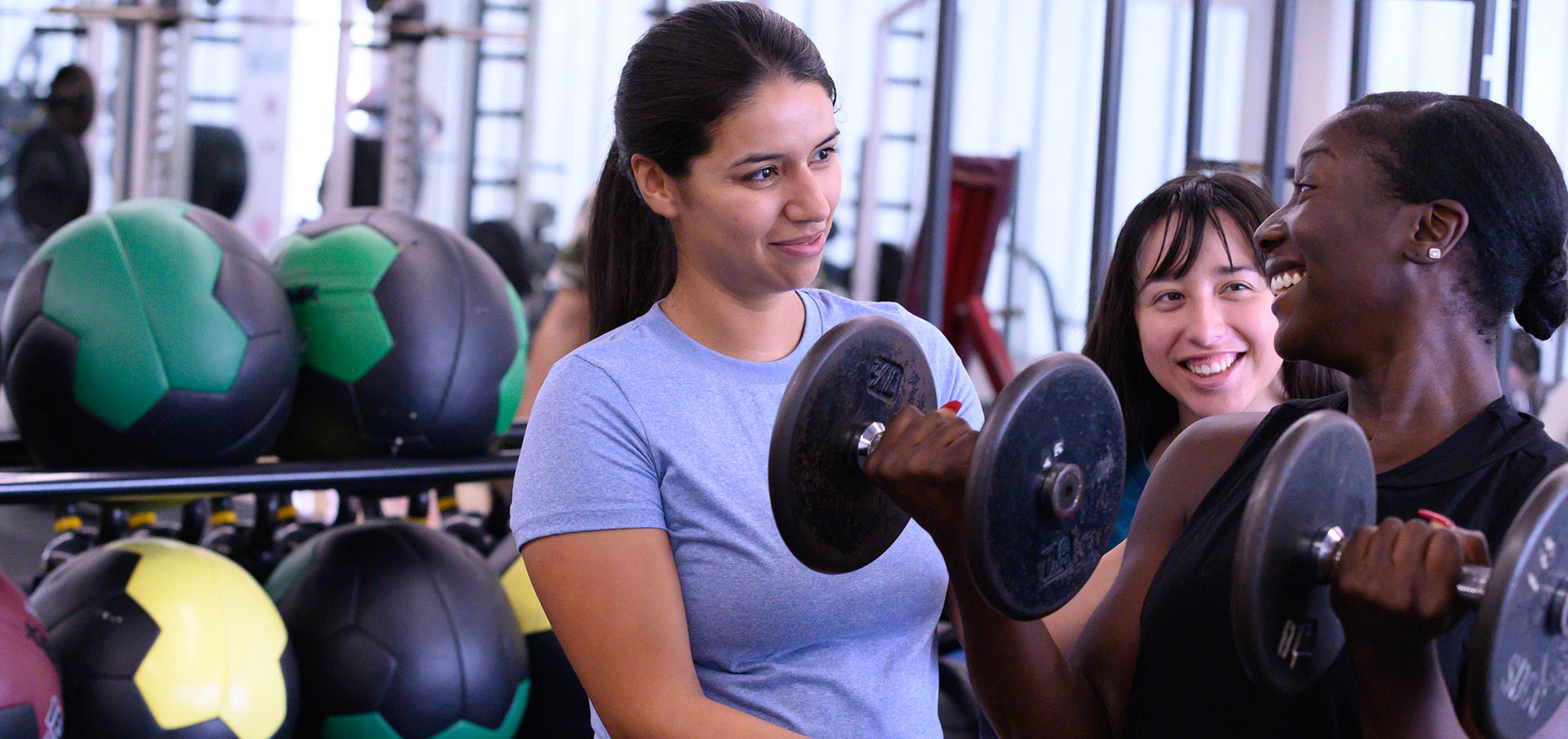
In addition to training students for traditional healthcare careers, the District’s four colleges — San Diego City College, Mesa College, Miramar College, and the College of Continuing Education — offer degrees and certificate programs in fields like nutrition, personal training, wellness coaching, and kinesiology that are pathways to health-and-wellness careers or four-year degrees in related sciences.
Those fields support the region’s sports and active lifestyle industry, a diverse collection of businesses that cater to people who participate in sports, active lifestyle and leisure activities in San Diego. A 2018 report by the California State University San Marcos Office of Business Research and San Diego Sports Innovators found such businesses had a direct economic impact of $3.6 billion and created more than 67,000 jobs.
For San Diegans pursuing a healthier lifestyle, SDCCD colleges also offer a variety of affordable sports, health, and fitness classes. Engaging in regular exercise can combat obesity, an epidemic affecting nearly 40% of adults in the U.S. and costing the healthcare system $173 billion a year, according to the U.S. Centers for Disease Control and Prevention.
Sometimes, a passion for personal fitness can lead to a new career.
For instance, Miramar College offers yoga courses that equip students to become registered yoga teachers with Yoga Alliance. The 16-week program comprises three classes: the history and philosophy of yoga, anatomy and physiology, and practical experience for students.
Empowering students to make healthier choices has lifelong benefits, whatever path they pursue.
“There are many things related to our health that we have no control over,” said Mardi Parelman, an associate professor in the Exercise and Nutritional Sciences program at Miramar College. “But what we eat and how we enjoy what we eat and the amount of exercise we get are modifiable factors that we do have input in. Those are the things that we can be aware of and make changes if we want.”
Kinesiology
City, Mesa and Miramar colleges all offer associate degrees in kinesiology, the study of human movement. A kinesiology degree can lead to a wide number of career paths, including as a physical therapist, strength coach, personal trainer, occupational therapist, physical education teacher, or physiologist. Many physicians, nurses, and other health practitioners also start their educational journey with a degree in kinesiology.
“I don’t think many people know how many doors a degree in kinesiology opens,” said Andrea Milburn, chair of City College’s Heath, Exercise Science, Nutrition, and Athletics department.
Students who earn an Associate in Arts for Transfer Degree in Kinesiology can transition to a university to earn a bachelor’s degree, the minimum requirement for most kinesiology careers. According to the U.S. Bureau of Labor Statistics, the median annual pay for exercise physiologists (an umbrella term that includes kinesiologists) was $54,860 in 2023.
Meanwhile, the impact of a kinesiologist’s work can be immeasurable, Milburn said. Many of the students in City College’s program played sports, so they understand the importance of how the human body moves.
“Maybe they had a coach that was really impactful, or they are just naturally drawn to helping others,” she said. “It literally changes people’s lives to make sure they are getting enough exercise.”
City College also offers a variety of health education, exercise science, athletics, and nutrition courses for students who want to improve their own health or explore fitness-related careers.
Health and Wellness Coaching
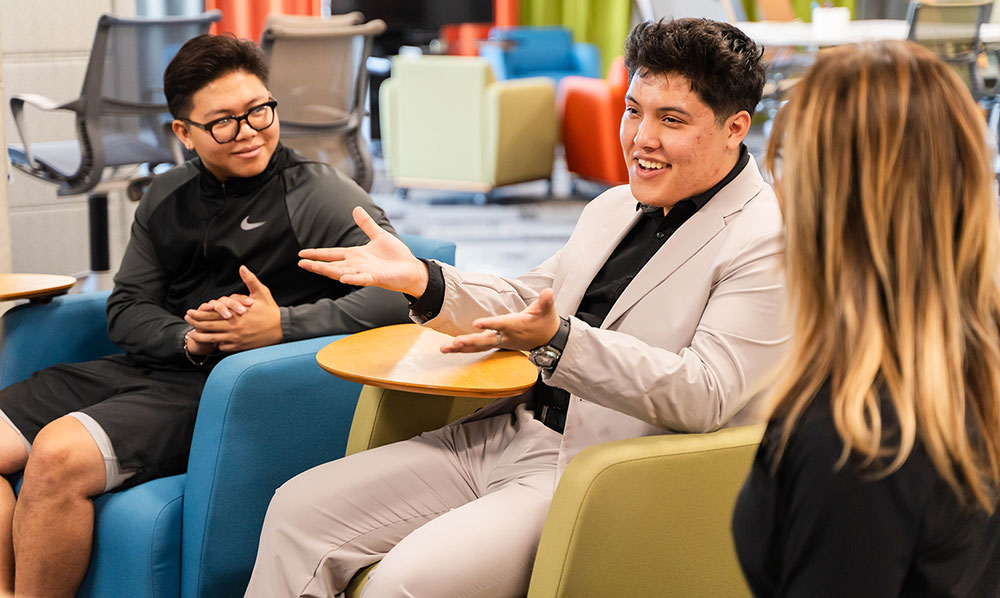
Health and wellness coaches work with clients to help them take healthy steps such as better eating, stress management and exercise. Mesa College is one of the first community colleges in the country, and the first in California, to offer a Health and Wellness Coaching Certificate approved by the National Board for Health and Wellness Coaching.
“So much of healthcare focuses on a treatment model,” said Kelsey Graham, an associate professor of Exercise Science at Mesa College and director of the college’s Health and Wellness Coaching program. “Health coaching is a prevention model. We look at preventative care rather than a treatment paradigm. It really is better for the patient.”
Mesa College’s program, including a 19-unit online certificate of achievement and 10-unit certificate of performance, can be completed in a year. Graduates can then apply to become a national board-certified health and wellness coach.
Graham said many students in the program already work in a health-related field and want to do more to help their clients.
“A lot of them feel limited in what they can do,” she said. “They want to focus more on their clients’ physical and mental well-being.”
Nutrition and Personal Training
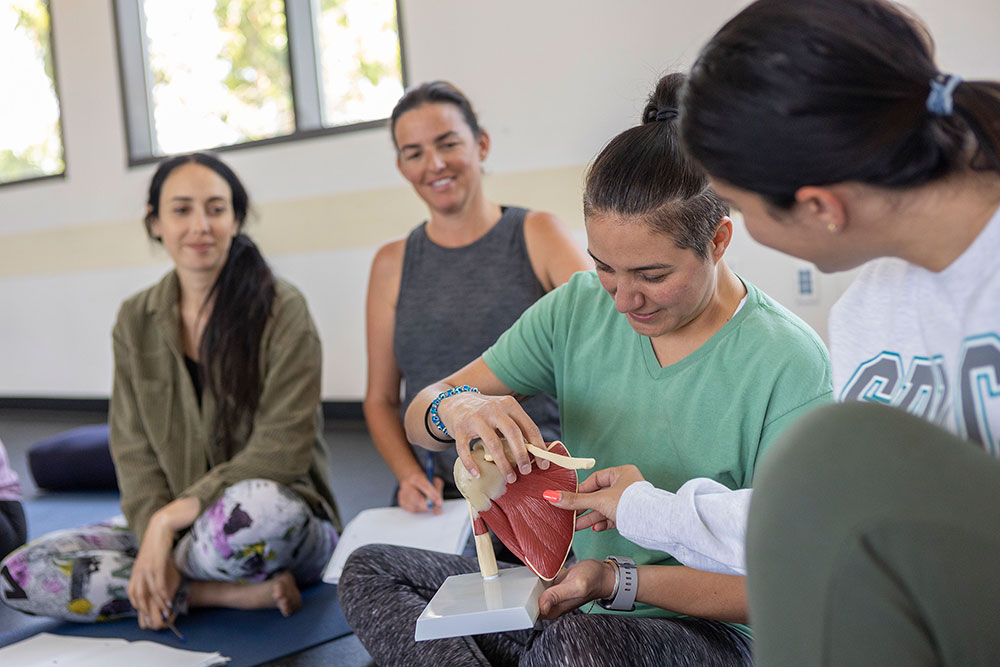
For students who want to become a registered dietitian, Miramar and Mesa college offer an Associate of Science for Transfer Degree in Nutrition and Dietetics that is a great first step toward that career path. (To be a registered dietitian requires a master’s degree.)
Parelman, the associate professor of Nutritional Sciences at Miramar College, said students at community colleges can get a true taste for the field, with more hands-on experience than at a large university.
“For students who want to be in dietetics, it’s great to get that experience early in your education in a safe and nurturing environment,” she said. “Then you’ll have more opportunities in the world to succeed.”
Recognizing that dietetics is a science, Miramar College’s program includes courses in microbiology, general biology, anatomy and physiology, Parelman said.
Miramar College also offers Nutrition 150, a popular course for people looking to improve their own diet. Parelman said the course teaches students how to distinguish between healthy eating and fad diets.
“Helping people find their way to enjoy food and have a pleasant relationship with food and eating is a goal I have in my classes,” she said.
Miramar and Mesa colleges both offer a Personal Training Certificate program that gives students the hands-on training and tools to become a personal trainer, group fitness instructor, or other fitness professional. Students learn an individualized approach to assess, educate, motivate, and train clients in a variety of settings.
The programs comprise 19-23 units of experiential learning, with faculty that include entrepreneurs, strength and conditioning specialists, personal trainers, exercise physiologists, athletic trainers, and nutritionists.
Emeritus Program Health and Wellness Classes
For seniors looking to stay intellectually stimulated and improve their fitness, San Diego College of Continuing Education offers free noncredit classes through its Emeritus Program.
Charlene Schade, an instructor and assistant program chair for the Emeritus Program, said the classes for adults 55 and older are designed to promote positive aging.
“Emeritus courses take a holistic approach to physical and mental well-being and focus on supporting healthy choices, improved brain health, and personal growth,” she said.
The program offers four classes focused on health and wellness that are offered in person, online and a hybrid version:
- Nutrition Health: offers practical tips to help older adults meet their nutritional needs and manage or reduce the risk of diet-related chronic conditions.
- Brain Fitness: helps students to enhance their cognitive vitality and overall brain health. The course offers an exploration of lifestyle choices that promote brain health and strategies to manage health to reduce the risk of age-related cognitive decline.
- Health Education for Older Adults: this class provides health information and activities to help students keep moving, stay safe, and maintain mental and physical health.
- Body Dynamics Aging Process: this class emphasizes the components of physical fitness, as well as deep breathing, circulation, flexibility, balance, stamina, and body awareness.
Schade, who is 89, is a living example of the importance of older adults staying active and involved. She said her students have responded positively to the classes.
“At the end of every semester, I ask them if they’ve maintained or improved their lives, and they all say yes,” she said. “You’re never too old to learn.”