
In all those ways and more, San Diego Community College District plays a key role as the heartbeat of healthcare workforce development in San Diego. The District supports the well-being of all San Diegans, including through low-cost or no-cost career-training programs that equip the next generation of health and wellness professionals needed to keep our diverse, cross-border community thriving. That work has never been more important:
- A study by the University of St. Augustine for Health Sciences estimates California could be short 44,000 nurses by 2030.
- The California Hospital Association estimates that to meet projected demands, California needs to add 500,000 new allied health care professionals such as medical assistants, imaging specialists, and more.
- A new study from the San Diego-Imperial Counties Centers of Excellence for Labor Market Research warns of the workforce crisis facing the region’s senior care industry, including the need for more certified nursing assistants and other allied professionals as our population ages.
- And a November 2022 report by the San Diego Workforce Partnership illustrates our region’s severe shortage of behavioral health professionals, with an estimated 17,000 employed in 11 key occupations – 8,000 short of the 25,000 workers needed.
SDCCD colleges are a linchpin in preparing students in our community to step into many of these vital jobs, while also offering affordable education pathways to healthcare careers that require advanced degrees. The District’s career-training programs range from nursing, physical therapy and medical technicians, to nutrition, mental health counseling, and health information management. The professionals they train include many first-generation college students, people of color, English language learners and others from underserved communities.
In my 15 years leading the County of San Diego Health and Human Services Agency — the largest public health employer in the region — some of my best frontline managers came with associate degrees from San Diego community colleges. The same theme emerged in speaking with CEOs of other large local healthcare systems —employees that come from community colleges bring a deep sense of purpose, passion and skill to their work.
Just as important as feeding the healthcare workforce, SDCCD’s colleges make a significant impact on the overall health of our community by supporting residents, including underserved communities, with no-cost or low-cost programs and services that have tremendous health benefits. Those programs and services include on-campus clinics, health and fitness classes like yoga and nutrition, mental health counseling and more.
According to a 2023 economic impact report, the District’s four colleges — San Diego City College, Mesa College, Miramar College, and the College of Continuing Education — contribute $4.5 billion to our region’s economy, which for the people who live here means more access to jobs, food, housing, and healthcare — building blocks for a better quality of life.
San Diego’s healthcare industry is committed to prioritizing community engagement and promoting social justice by addressing social determinants of health and advocating for policies that support health equity. San Diego Community College District is a leader in our city and county, and an incredibly valued partner in that pursuit.
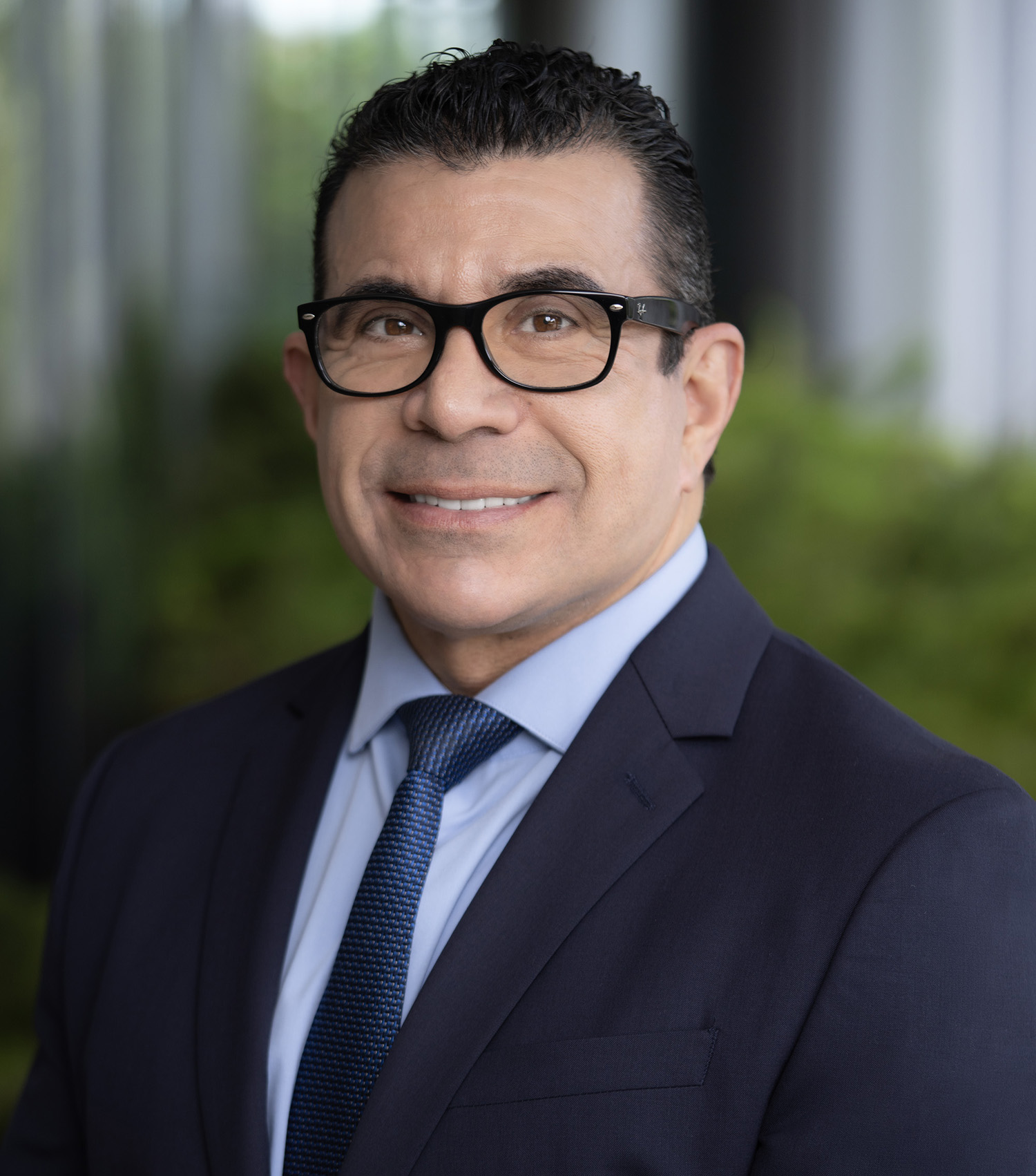
Nick Macchione, M.S., M.P.H., F.A.C.H.E., is Chief Health Officer at UC San Diego Health and the former director of the County of San Diego’s Health and Human Services Agency. He has more than 35 years of clinical and executive experience leading and managing large, complex service health and human service delivery systems with a mission to help all people live well and thrive.